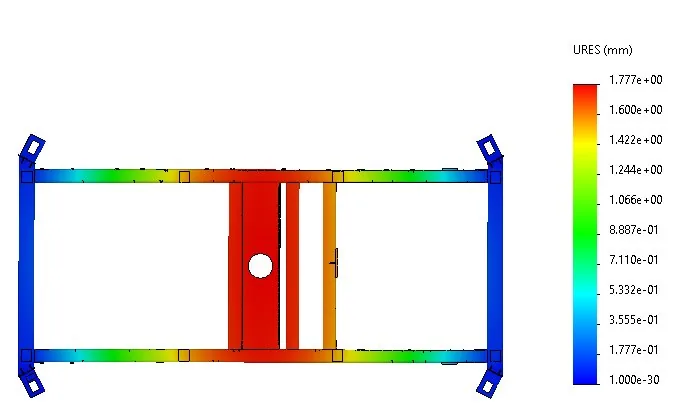
In-house design and fabrication of automotive tooling — coating skids, locking fixtures, bumper trolleys, light-stack systems and atomizer tooling. FEA-validated.
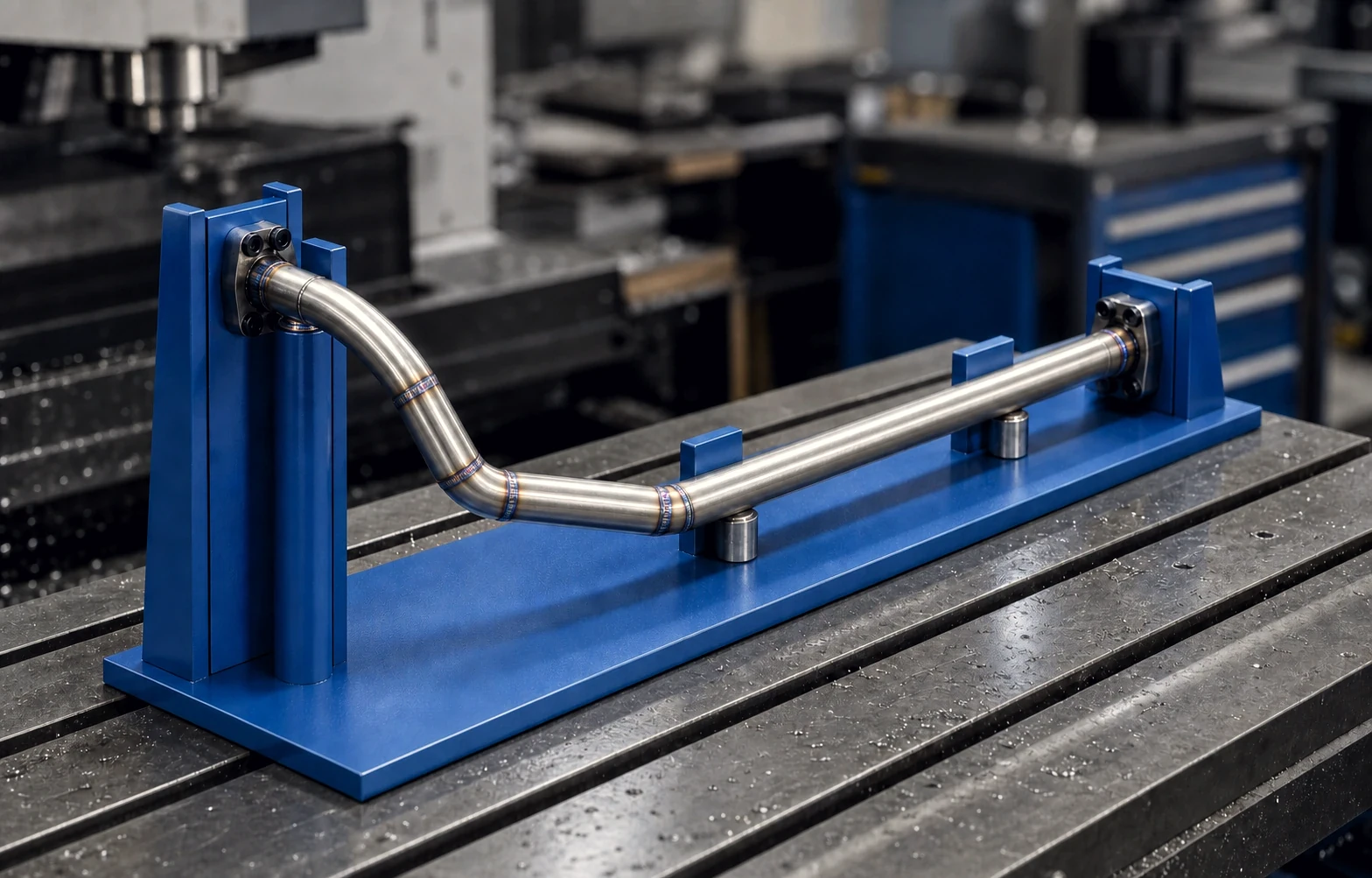
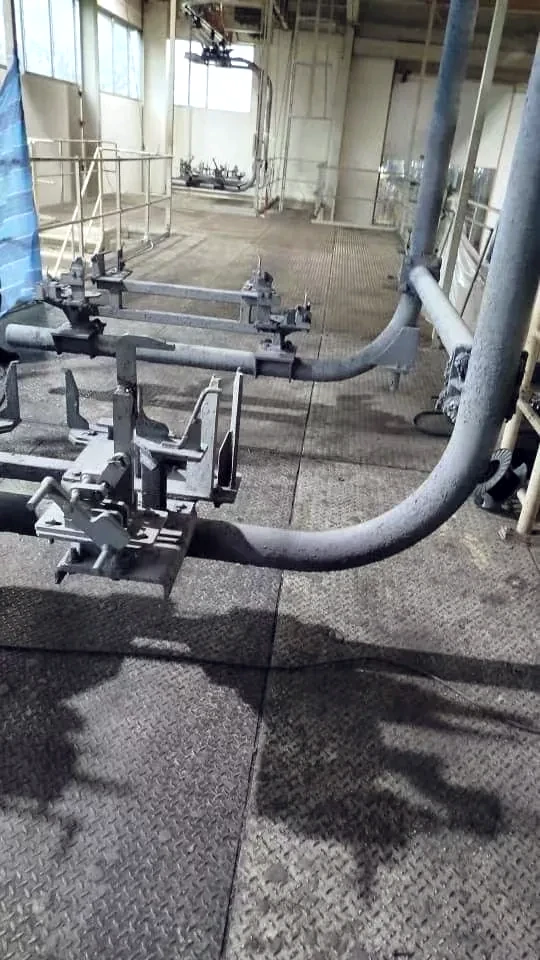
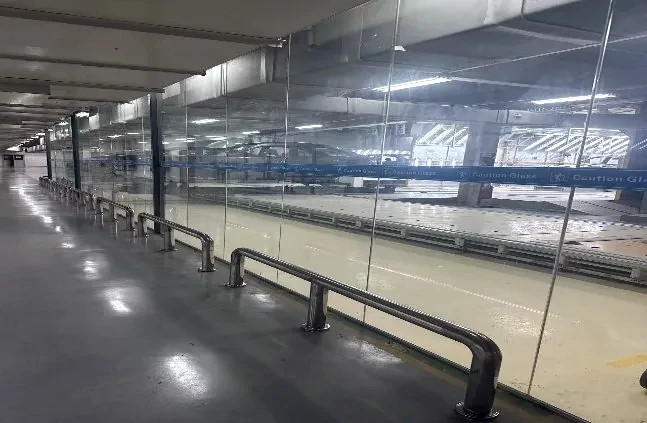
Body carriers, skids and positioning devices for conveyor systems, customized per vehicle platform with anti-float locking fixtures.
Pretreatment/ED C-hanger fixtures and multi-model anti-float locking fixtures — proven across 7+ vehicle models in production.
Three-tier FIFO racks, rotary feed trolleys, bumper assembly rotary stations, sanding conveyors and final-inspection light tunnels.
Light-stack systems and inspection light tunnels for paint-surface quality checking and logistics sequencing control.
Precision atomizer tooling and robot-application fixtures engineered for consistent film build and transfer efficiency.
Multi-tier transfer racks, welding mold storage trolleys and material sequencing carts for paint-shop and assembly logistics.
3D model review, tolerance analysis, production volume assessment
CATIA/SolidWorks 3D modeling, interference check, GD&T annotation
Strength analysis, deflection check, fatigue simulation
CNC machining, CMM inspection, factory acceptance test
| Item | Typical specification | Notes |
|---|---|---|
| Locating principle | 3-2-1 six-point location + hardened pads/pins | Repeatability typically ±0.5 mm |
| Main materials | 6061 aluminium / 304 stainless steel | Light, rigid, chemically resistant |
| Insulation & grounding | Insulated sections on e-coat tooling; static grounding ≤1 Ω | Insulation checked and logged periodically |
| Locking | Anti-float locks with pneumatic + mechanical redundancy | Interlocked with the conveyor |
| Surface finish | Anodising / powder coating + tool numbering | Cleanable and traceable |
| Inspection | CMM spot checks + first-article verification | Inspection records delivered |
Typical specifications — tooling is custom-designed per model, line and volume.
Carry bodies through pretreatment, e-coat and ovens with located supports and anti-float locks.
Body suspension tooling for pretreatment/e-coat lines with fast model changeover.
Pneumatic locking with mechanical redundancy against bath buoyancy.
Positioning and stay bars protecting paint surfaces and assembly gaps.
Contour-following rotary tilt stations so bells can reach interiors and hidden faces.
Model changeover interfaces, minutes instead of shifts.
3-2-1 locating with hardened pads and pins; repeatability on critical faces is typically ±0.5 mm, verified by first-article checks and CMM spot inspection with recorded data.
A common base frame with model-specific support modules and quick-change interfaces; anti-float locks interlock with the conveyor and release at precise positions.
6061 aluminium or 304 stainless steel bodies with engineering-plastic insulation. All tooling is statically grounded (≤1 Ω); e-coat tooling uses insulated sections with periodic insulation testing.
Yes — load and fatigue checks on hangers and locking mechanisms from the CATIA/SolidWorks model, plus interference checks against bodies and conveyors with GD&T documentation.
Standard skid-type tooling is typically 4-8 weeks including design, manufacture and inspection; complex multi-model programs are scheduled to project timing and can target line shutdown windows.
Contour-following support and rotation stations, conductive/grounded design and minimal masking — delivered together with our rotary bell integration packages.
Nearly 30 coating lines delivered. Let us help you plan, build or upgrade yours.


Scan with WeChat
