Specialized VOC abatement for automotive paint shops and the PCB industry. Compliant with GB 37822-2019 and international emission standards.
Painting workshops — especially spray booths and drying ovens — generate large volumes of exhaust containing organic solvents such as benzene, toluene and xylene. SYZOY engineers complete abatement trains matched to your flow rate, VOC concentration and compliance target.
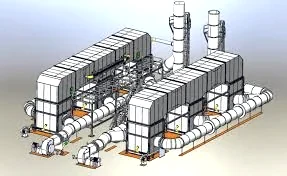
The core environmental equipment for paint-shop VOCs. Exhaust is heated to 760-850°C, oxidizing VOC molecules into harmless CO₂ and water vapor.
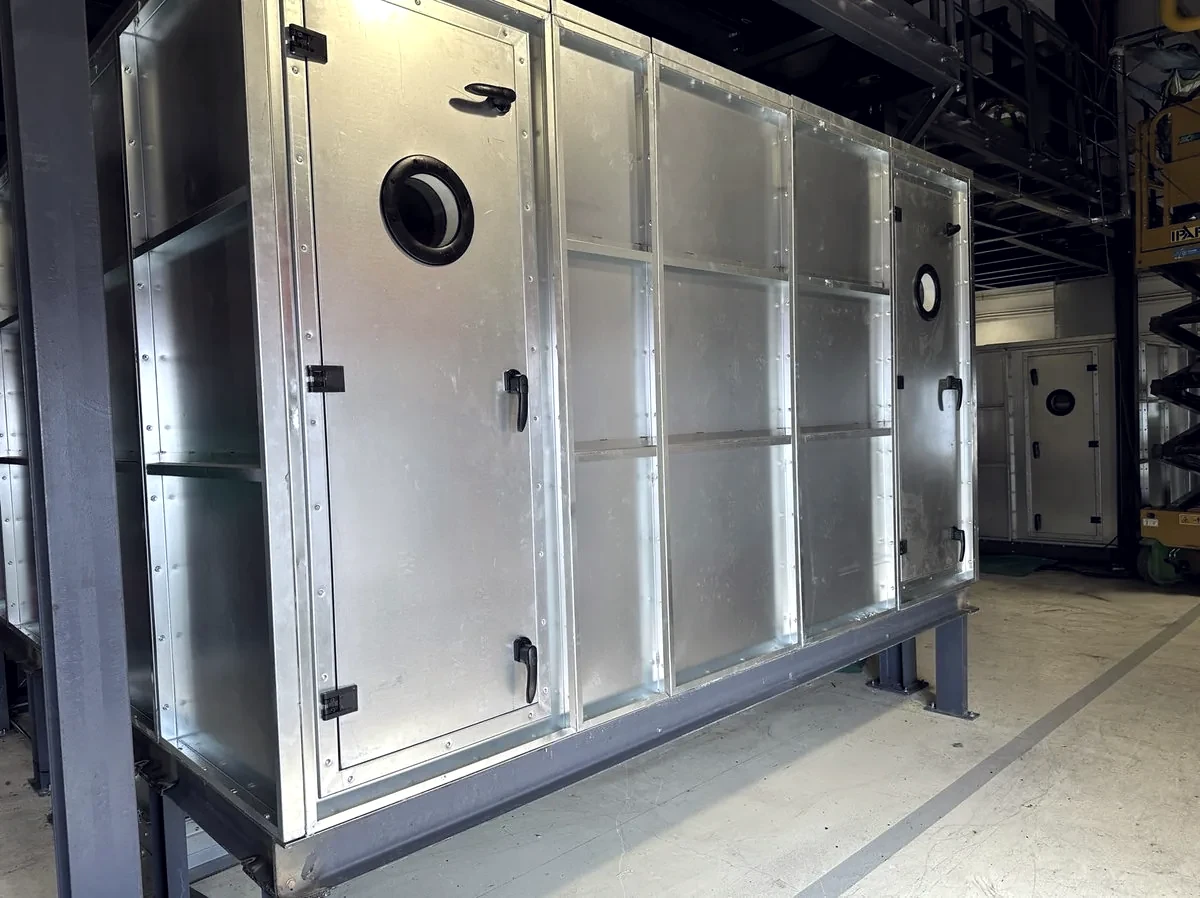
For high-flow, low-concentration streams, a hydrophobic zeolite rotor concentrates the pollutant 10-15× before oxidation — shrinking the downstream oxidizer and its energy demand. Learn more about the KPR rotor →
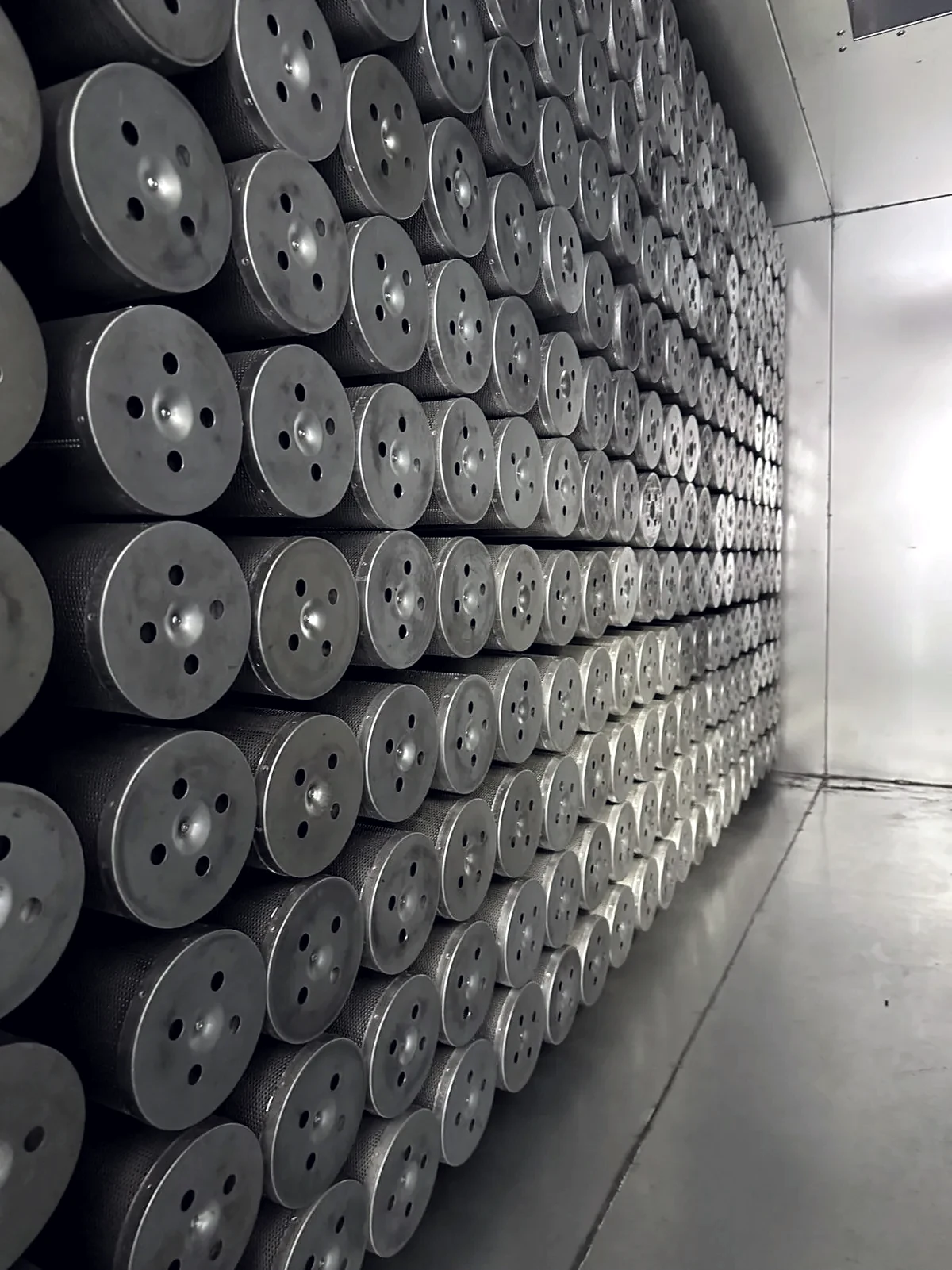
Wet desulphurization / denitrification scrubbers handle inorganic gases and water-soluble pollutants, with corrosion-resistant construction.
Inspection, ceramic media replacement, valve overhaul and TNV repair to restore destruction efficiency.
Vibration measurement and diagnostics for exhaust and supply fans to prevent unplanned downtime.
Rotor cleaning, regeneration and performance recovery to maintain concentration ratio.
Emission testing support and CEMS integration for ongoing regulatory compliance.
| Duty profile | Recommended route | Notes |
|---|---|---|
| High flow, low concentration (booth/oven mixed exhaust) | 3-stage filtration + zeolite rotor concentration + RTO | Mainstream route, lowest operating energy |
| Medium-high concentration (dedicated oven exhaust) | Direct RTO / TNV | No concentrator needed |
| Booth exhaust with paint overspray | Wet scrubbing (venturi/water curtain) + demist + abatement | Protects downstream equipment |
| Intermittent, low flow (mix room, spot repair) | Activated carbon + catalytic oxidation (RCO) or regeneration | Low investment, flexible starts |
| Sulphur/halogen-bearing streams | Pre-treatment + scrubbing + oxidation (catalyst protection) | Case-specific materials and temperatures |
Routes compared on flow, concentration, composition, footprint and emission limits — multi-route energy and CAPEX comparisons provided.
For high-volume low-concentration booth and oven exhaust, the mainstream route is three-stage filtration + zeolite rotor (adsorption concentrator) + RTO regenerative thermal oxidation + heat recovery, achieving 99%+ destruction efficiency with low operating energy.
The adsorption rotor concentrates VOC by 8-20 times, shrinking the airflow entering the RTO and cutting its fuel consumption by over 80%; the desorbed high-concentration stream is oxidized above 760°C in the RTO before compliant stack release.
KPR (Konzentrator) is a zeolite concentration rotor at the heart of two-stage VOC systems. The wheel divides into adsorption, desorption and cooling zones in continuous rotation. See the KPR Rotor product page.
Sizing requires exhaust analysis: airflow, VOC species and concentration, temperature, humidity and dust load. SYZOY provides on-site survey, system design, equipment manufacturing and compliance validation as one service.
Nearly 30 coating lines delivered. Let us help you plan, build or upgrade yours.


Scan with WeChat
